9b03
TECHNOLOGY
2026 September 3, 4
Level: Medium
Telehealth
by Elizabeth Koroma
Can a doctor treat you without being with you?
3
Discussions of technical progress and its effect on the medical field often focus on new treatments for diseases. But technology can also play a role in solving a different problem: accessibility. Sometimes people have diseases that can be cured, but they live too far from a hospital to receive treatment. Or the hospitals they are able to reach may not have a doctor who specializes in that disease. If they could receive medical care from a distance, it might save their lives. And telehealth offers that very possibility.
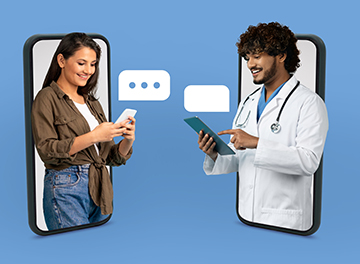
Telehealth refers to medical care provided when the doctor and patient are not physically in the same place, including video conferences with doctors that replace office visits. Telehealth also allows patients to send text messages to doctors or nurses between visits. It can even involve patients wearing sensors or monitors at home and this data being sent to their doctor.
Telehealth has some distinct advantages over conventional medicine. First, it avoids the risk of patients catching contagious diseases from other patients. Also, whoever needs medical care can meet with a doctor without making the trip to a hospital, which is especially important for people living in remote or rural areas. Remote monitoring of patients also allows doctors to gain information over an extended time without keeping the patient hospitalized.
|